
Entry Information
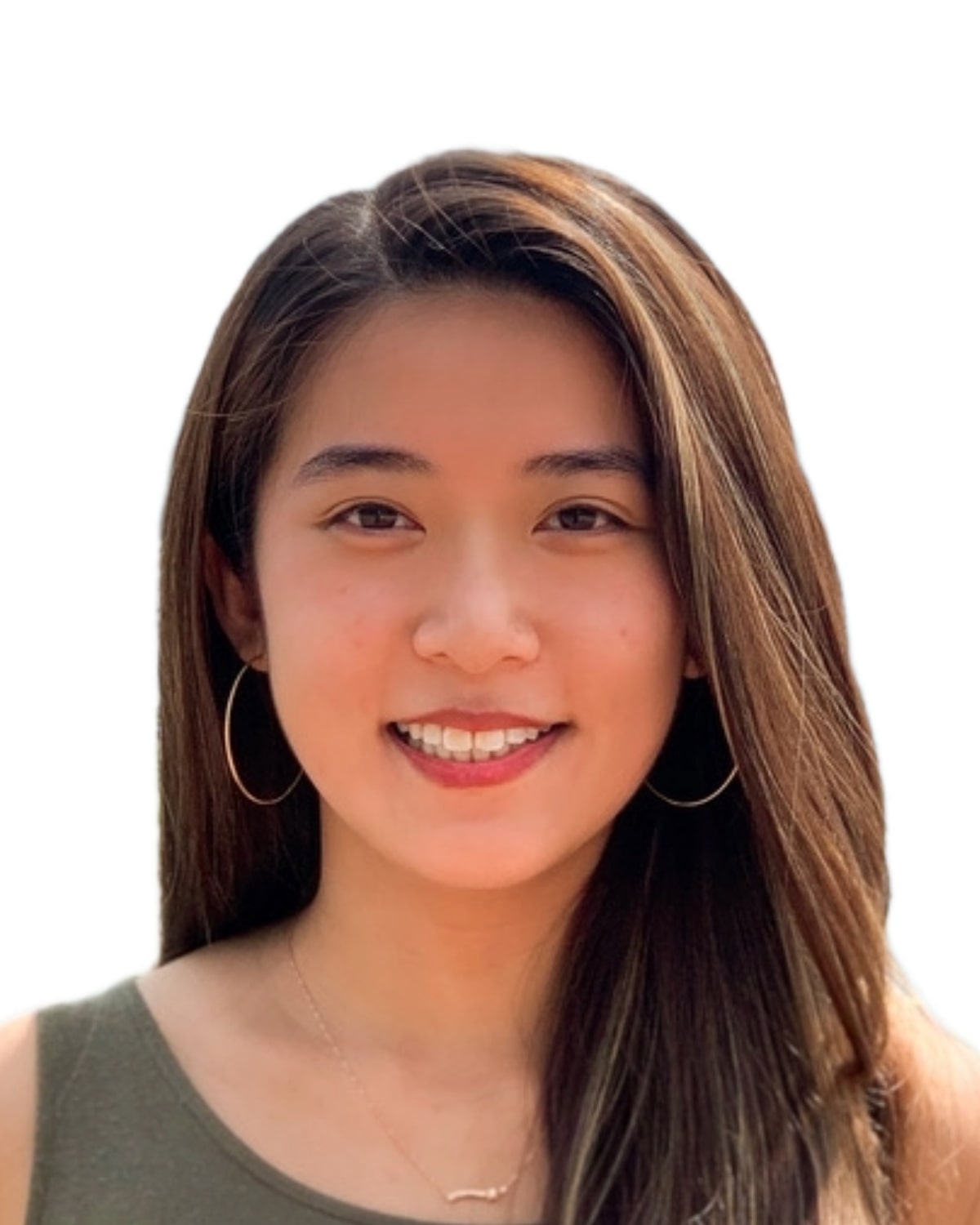
Ying Hei Kan
Ms
Female
12/11/1999
Hong Kong
Hong Kong Identity Card
Y7140
Chinese
Email hidden; Javascript is required.
+85269246935
Room 619, Hall VI, HKUST
Clear Water Bay
Hong Kong
InnoTech_Scholarship
Life Science and Medicine
Astronomy
I am enthusiastic about participating in the Hong Kong Laureate Forum, a venue that champions direct engagement between emerging scientists and esteemed Shaw Laureates through seminars, dialogues, and workshops. This platform encourages cross-disciplinary dialogue across various scientific fields, essential for nurturing a holistic scientific outlook. As someone passionate about integrating theories and applications from diverse realms, I am excited to meet like-minded peers from different cultural and scientific backgrounds, sharing insights and forging lasting professional relationships.
Additionally, the work of Dr. Eva Nogales on transcriptional machinery and Polycomb Repressive Complex 2 intersects with my research on the epigenetic regulation of human embryogenesis. As a young woman in science, meeting Dr. Nogales and learning from her experience is exceptionally inspiring. Her success exemplifies the impactful contributions women can make in science. The Forum promises not just a platform for scholarly exchange but also a source of motivation, showing the possibilities within my reach.
Attending the Hong Kong Laureate Forum is an opportunity to significantly advance my research and career by gaining invaluable insights and fostering connections that will equip me to contribute meaningfully to the global scientific community.
Postgraduate (PhD)
Epigenetics
The Hong Kong University of Science and Technology
Hong Kong
First Academic or Research Referee *
Prof. Danny Leung
The Hong Kong University of Science and Technology
Associate Professor
Email hidden; Javascript is required.
Second Academic or Research Referee
The Women’s Foundation Sheen Hok WISE Scholarship (2017-2021)
Dean’s List (2018-2021)
Innovation and Technology Scholarship (2019)
Lee’s Pharmaceutical – Kanya Lee Scholarship (2020)
Hong Kong PhD Fellowship Scheme (2023)
The Women’s Foundation / HKUST / The Hong Kong Federation of Youth Groups / Lee’s Pharmaceutical / Research Grants Council
During human early embryogenesis, the transition from totipotency to pluripotency marks a critical milestone. This process is tightly regulated by epigenetic mechanisms and cis-regulatory elements (CREs). Endogenous retroviruses (ERVs), remnants of ancient retroviral infections, can be repurposed by the host genome as CREs. Although typically repressed, certain ERVs are selectively activated during epigenetic reprogramming at the onset of embryogenesis. Previous studies have demonstrated that the upregulation of the ERV subfamily HERV-H is crucial for maintaining pluripotency in human embryonic stem cells (hESCs). Notably, while the role of HERVs in pluripotency is established, their relevance in totipotency and the transition between cellular states in human embryogenesis have not been fully determined. In this study, we employed human expanded potential stem cells (EPSCs) and hESCs to investigate the role of ERVs in the totipotent-pluripotent transition. Preliminary data show that the HERV-H and LTR12C subfamilies are overrepresented among differentially expressed ERVs, suggesting potential regulatory roles in early development. Intriguingly, differentially active LTR12C elements appear to function as promoters for genes with distinct expression patterns. These findings highlight the significance of ERVs in the epigenetic regulation of early embryonic development, offering insights into the fundamental understanding of human early development and stem cell biology.
Poster Presentation Session
N/A
Our email