
Entry Information
Ji Dong
Prof
Male
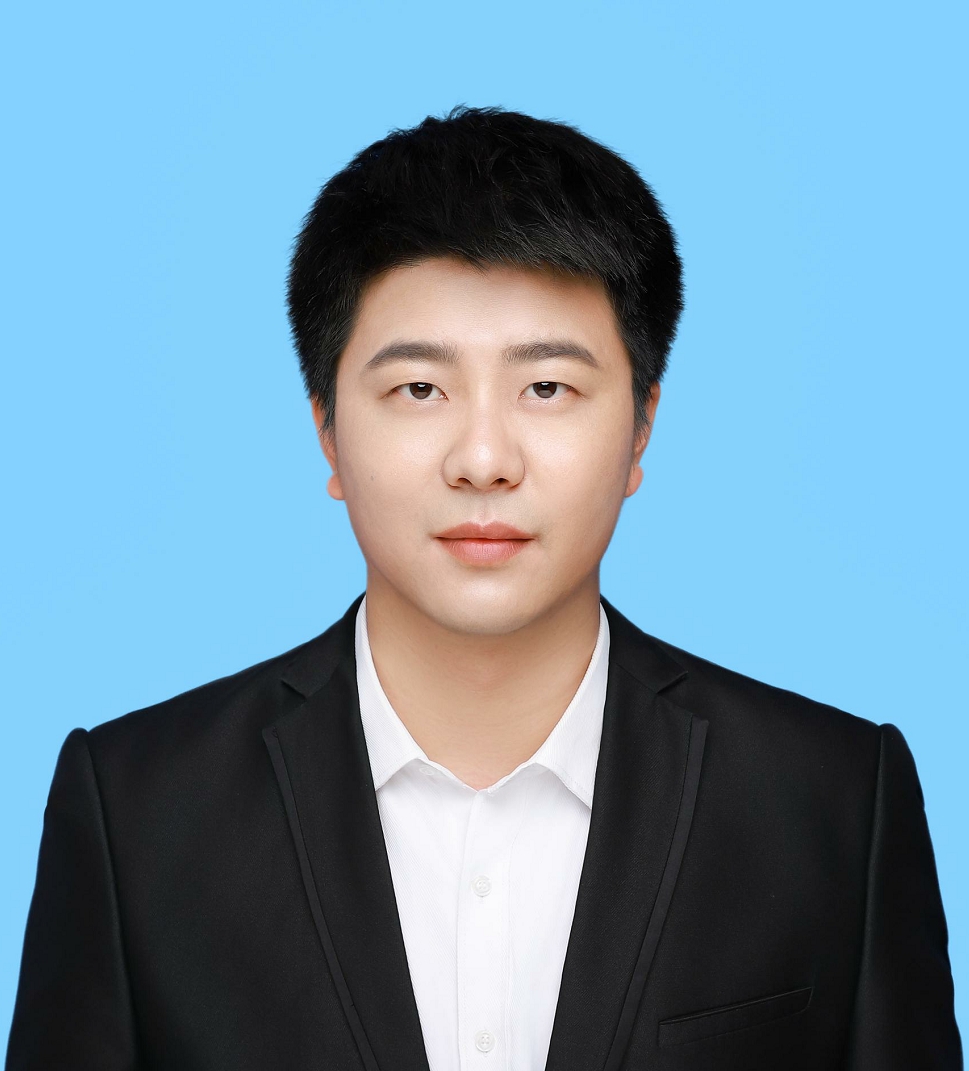
11/07/1990
China
Passport
E2634
Chinese
Email hidden; Javascript is required.
+8617710456707
Guangzhou National Laboratory, Bio-island
Guangzhou
China
BHKAEC
Life Science and Medicine
N/A
It is really my honor to attend the Hong Kong Laureate Forum (the HKLF). My research interests mainly focus on single-cell omics and developmental biology. I am dedicated to utilize advanced technologies (e.g., single-cell omics, bioinformatics, organoid culture, gene editing etc.) to explore regenerative medicine-related issues, including mammalian hibernation and aging. The HKLF’s mission to foster dialogue between young scientists and laureates aligns perfectly with my goal of bridging fundamental science and scalable technological innovation. Attending this forum will not only expand my technical expertise but also deepen my understanding of science leadership in a global context. I aim to contribute actively to workshops, absorb insights from laureates’ career trajectories, and build a network that transcends geographical and disciplinary boundaries. This experience will empower me to advance both my research and my commitment to equitable scientific progress.
PhD Graduate
Developmental Biology and Single-Cell Omics
Guangzhou National Laboratory
Guangzhou
First Academic or Research Referee *
Prof. Fuchou Tang
Peking University
Professor
Email hidden; Javascript is required.
Second Academic or Research Referee
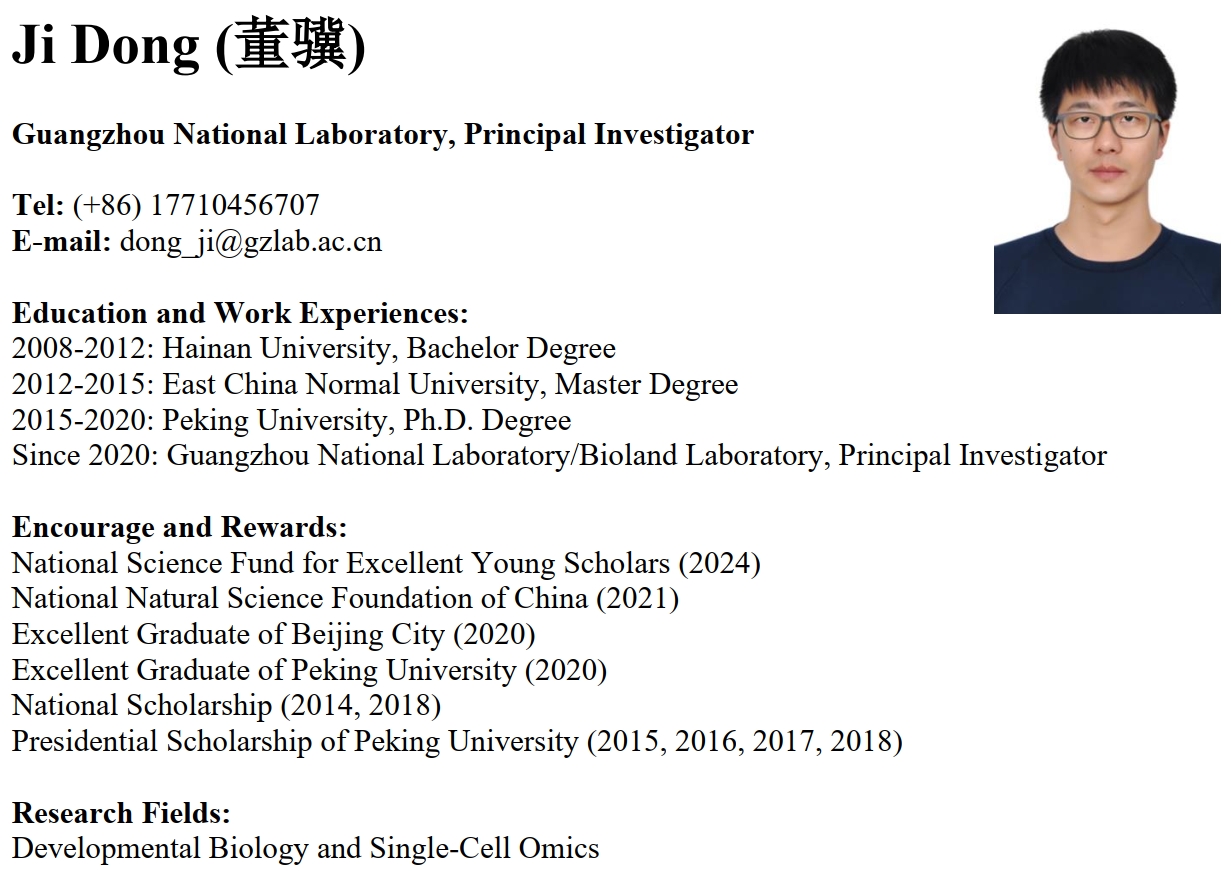
National Science Fund for Excellent Young Scholars (2024)
National Natural Science Foundation of China (2021)
Excellent Graduate of Beijing City (2020)
Excellent Graduate of Peking University (2020)
National Scholarship (2014, 2018)
Presidential Scholarship of Peking University (2015, 2016, 2017, 2018)

Organ transplantation is the most ideal treatment for patients suffering from terminal organ failure, which greatly prolongs life span and improves life quality. However, organs are vulnerable to static cold storage, the standard cold preservation method in clinical, causing an extreme waste of donor organs. In the nature, many mammals can employ hibernation to survive inhospitable conditions with low ambient temperature and scarcity of food and water. During hibernation, mammalian hibernators can drop their body temperature to as low as ~4 ℃ from ~37 ℃ normothermia and experience alternating torpor-arousal phases. Thus, their organs are stimulated by repetitive hypothermia and ischemia-reperfusion stresses, while can be protected from such harmful insults. Here, we attempted to seek for molecular clues of organ cold adaptation from the Syrian hamster, a mammalian hibernator. We constructed the spatiotemporal hibernation atlas of Syrian hamsters at both active and torpid states. Meanwhile, Syrian hamster organoids were successfully built to model hibernation. By combining both in vivo and in vitro hibernation models, we explored molecular mechanisms of organ cold adaptation and experimentally validated the identified findings at both organoid and organ levels. In summary, our study will provide a new research paradigm for improving organ cold preservation.
Both Sessions
N/A
Our email