
Entry Information
Yuanhang Yang
Dr
Male
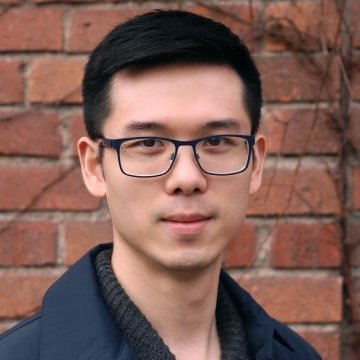
27/08/1993
China
Passport
EL618
Chinese
Email hidden; Javascript is required.
+46702275308
Norra Stationsgatan 99 Lgh 1335
11364 Stockholm
Sweden
Life Science and Medicine
N/A
I am a PhD graduate in clinical epidemiology at Karolinska Institute, where my research explores the interplay between inflammatory bowel disease and kidney diseases. My work has uncovered bidirectional associations between these conditions and the impact of colectomy and biologic treatments on kidney function. Beyond my doctoral research, I am eager to broaden my scope to AI-driven pharmacoepidemiology, leveraging computational methods to enhance drug safety and precision medicine.
The HK Laureate Forum presents a rare opportunity to engage with world-renowned scientists and like-minded peers, fostering discussions that bridge disciplines. My research sits at the intersection of medicine, epidemiology, and data science, which thrive on collaboration. I am particularly interested in learning how AI and big data analytics can reshape epidemiological research and improve clinical decision-making.
By participating, I aim to exchange ideas with leading experts, refine my research perspectives, and build a global network that extends beyond my current field. I believe my background in medicine and epidemiology, coupled with my forward-looking interest in AI applications, will contribute to meaningful discussions at the Forum. I am eager to be part of this dynamic intellectual community and shape the future of biomedical research.
PhD Graduate
Medicine, clinical epidemiology, inflammatory bowel disease, kidney disease
Karolinska Institute
Stockholm, Sweden
First Academic or Research Referee *
Prof. Juan-Jesus Carrero
Karolinska Institute
Professor of Cardio-renal epidemiology
Email hidden; Javascript is required.
Second Academic or Research Referee
Prof. Arvid Sjölander
Karolinska Institute
Professor of Biostatistics
Email hidden; Javascript is required.
Chinese Government Award for Outstanding Self-Financed Students Abroad (6,000 USD, 2024);
Marie Curie Fellowship (in connection with PhD employment);
Vrije Universiteit Fellowship Programme (full tuition waiver for masters, 23,930 Euro, 2016);
Harvard T.H. Chan School of Public Health CAUSALab Summer Course tuition fee waiver (1,700 USD, 2023);
Karolinska Institute Travel Grant (4 times, 45,000 SEK=4,500 USD, 2022-2023);
Martin Rind Foundation Project Grant (217,000 SEK=21,700 USD, 2022);
IBD Nordic Conference Abstract Award (500 Euro, 2023);
Individual Scholarship of Sun Yat-Sen University (2013).
My research focuses on the intersection of inflammatory bowel disease (IBD) and chronic kidney disease (CKD), two conditions with significant long-term health consequences. Using large-scale epidemiological data, I have investigated the bidirectional association between IBD and CKD, revealing an increased risk of kidney dysfunction in patients with IBD. I have also examined how colectomy in IBD patients influences kidney failure risk and assessed whether biologic treatments for IBD elevate the likelihood of kidney disease.
Beyond these findings, I am increasingly interested in the role of AI and machine learning in pharmacoepidemiology. Advanced computational methods have the potential to refine causal inference, improve drug safety monitoring, and personalize treatment strategies. I aim to explore AI-driven approaches to analyze complex patient trajectories, predict disease progression, and optimize therapeutic interventions.
Through this research, I seek to bridge clinical epidemiology with emerging computational tools to enhance our understanding of disease mechanisms and improve patient outcomes. My long-term goal is to apply AI-driven pharmacoepidemiology to broader areas of chronic disease research, ultimately contributing to more precise and data-driven healthcare solutions.
Both Sessions
N/A
Peers